The University of Maryland SAFE Center for Human Trafficking Survivors provides comprehensive survivor-centered and trauma-informed services that empower sex and labor trafficking survivors to heal and reclaim their lives.

Empowering Survivors to Reclaim their Lives
A Rights-Based Approach to Supporting Survivors

A Rights-Based Approach to Supporting Survivors
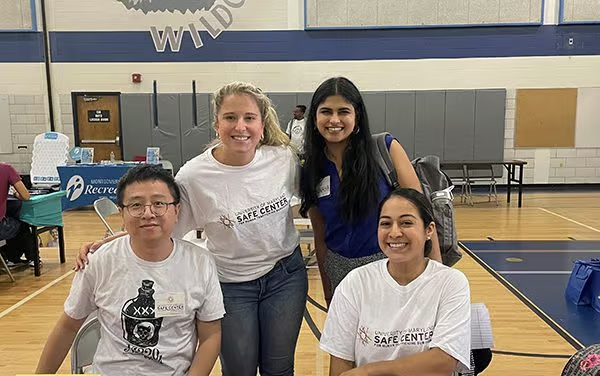

The SAFE Center takes a rights-based approach to supporting clients, which places justice for survivors at the center of our work and respects survivors’ agency to determine what justice means to them. Our team creates opportunities for survivor leadership and leads strategic policy, research, and advocacy initiatives.
A Comprehensive Approach to Combating Human Trafficking
Services for Survivors
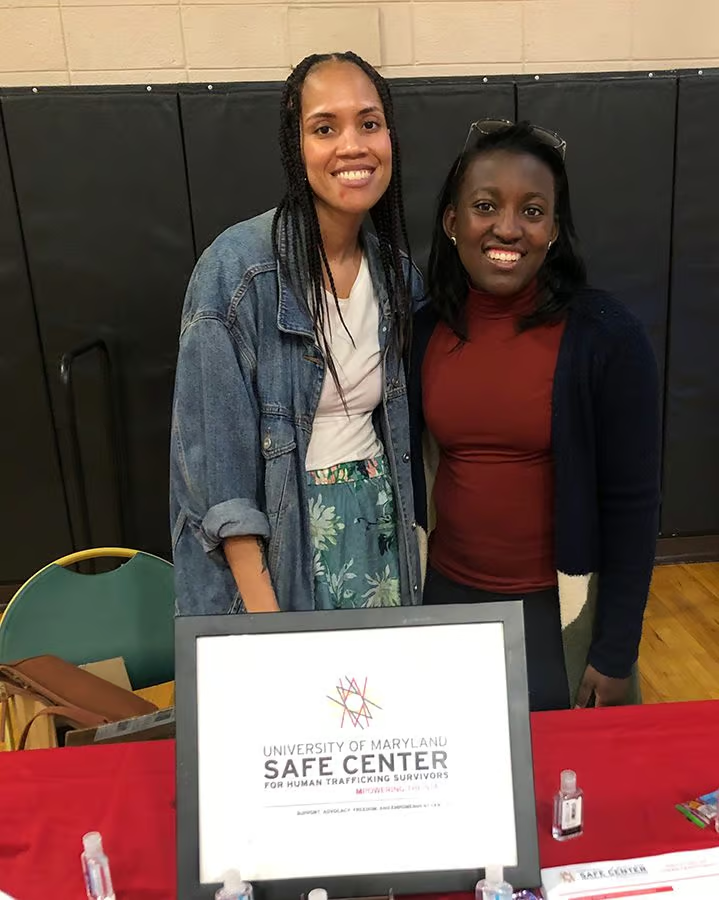
The SAFE Center provides bilingual (Spanish/English) case management, legal immigration, mental health, and economic empowerment services to survivors of sex and labor trafficking.
Policy Advocacy
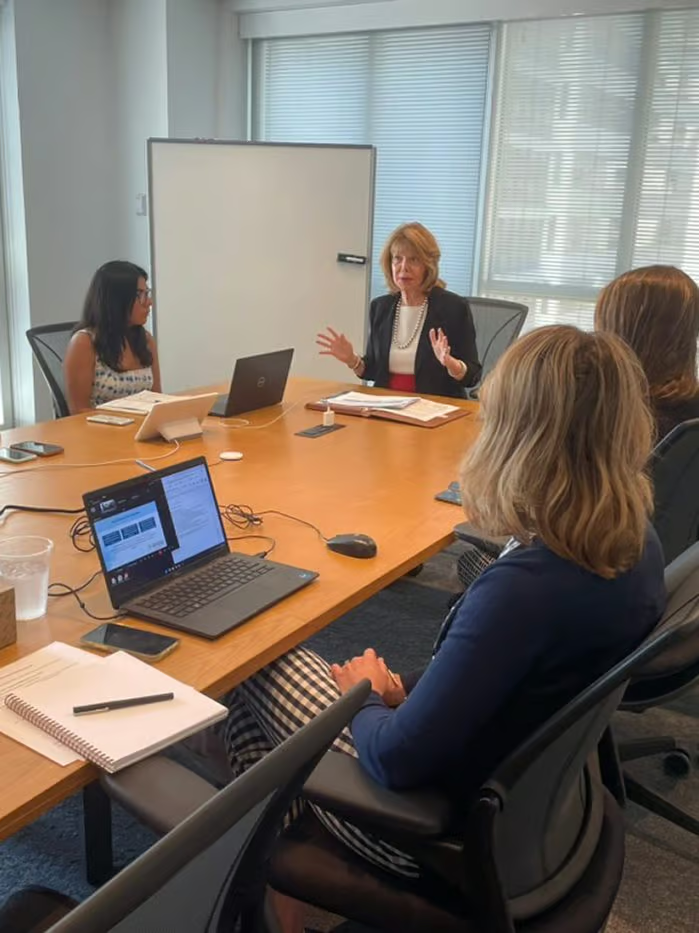
Informed by our direct engagement with survivors, the SAFE Center works at the local, state, and federal levels to advocate for policies that expand rights and services for survivors and seek to prevent trafficking.
Prevention
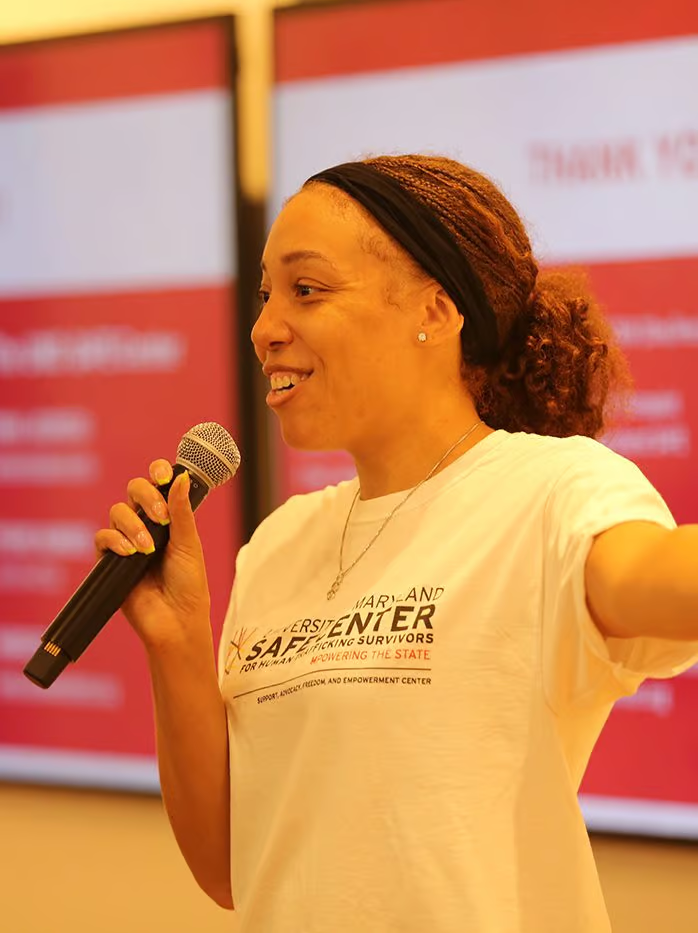
The SAFE Center takes a systemic approach to sex and labor trafficking prevention by working with students, caregivers, educators, medical professionals, and other service providers in Maryland to facilitate the identification of potential survivors and reduce vulnerabilities to trafficking.
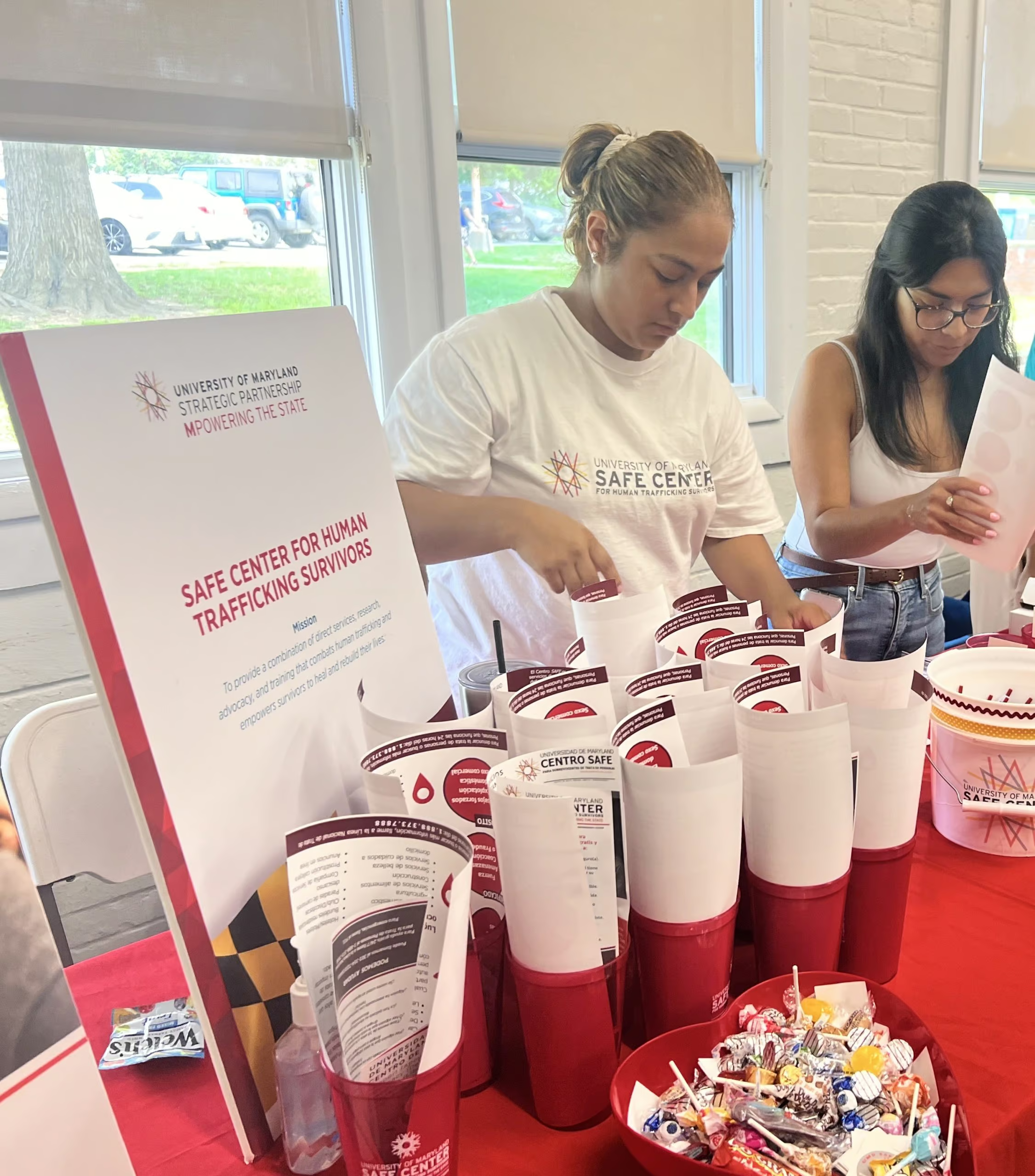
Outreach
The SAFE Center joins tabling and community events, as well as expert panels, to connect with individuals who may be vulnerable to trafficking or who may work with vulnerable populations, enhancing our on-the-ground knowledge of the risks faced in our communities.
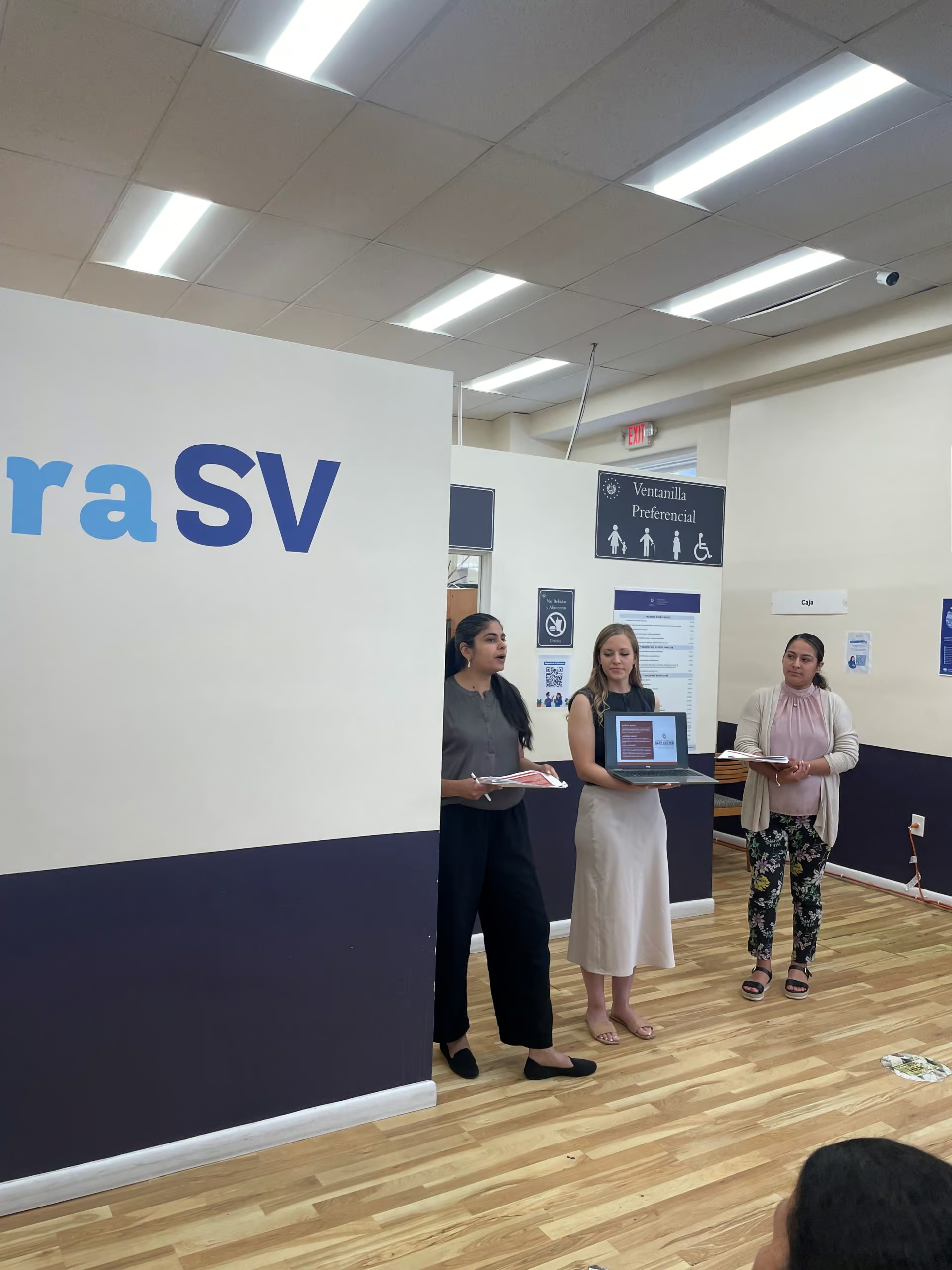
Training
The SAFE Center leads trainings on human trafficking trends, the root causes of trafficking, and services available for survivors to raise awareness among social workers, lawyers, worker rights groups, corporate partners, students, and other community members.
- Services
-
Services for Survivors
The SAFE Center provides bilingual (Spanish/English) case management, legal immigration, mental health, and economic empowerment services to survivors of sex and labor trafficking.
- Policy Advocacy
-
Policy Advocacy
Informed by our direct engagement with survivors, the SAFE Center works at the local, state, and federal levels to advocate for policies that expand rights and services for survivors and seek to prevent trafficking.
- Prevention
-
Prevention
The SAFE Center takes a systemic approach to sex and labor trafficking prevention by working with students, caregivers, educators, medical professionals, and other service providers in Maryland to facilitate the identification of potential survivors and reduce vulnerabilities to trafficking.
- Outreach
-
Outreach
The SAFE Center joins tabling and community events, as well as expert panels, to connect with individuals who may be vulnerable to trafficking or who may work with vulnerable populations, enhancing our on-the-ground knowledge of the risks faced in our communities.
- Training
-
Training
The SAFE Center leads trainings on human trafficking trends, the root causes of trafficking, and services available for survivors to raise awareness among social workers, lawyers, worker rights groups, corporate partners, students, and other community members.
Services for Survivors
The SAFE Center provides bilingual (Spanish/English) case management, legal immigration, mental health, and economic empowerment services to survivors of sex and labor trafficking.
Policy Advocacy
Informed by our direct engagement with survivors, the SAFE Center works at the local, state, and federal levels to advocate for policies that expand rights and services for survivors and seek to prevent trafficking.
Prevention
The SAFE Center leads trainings and panel presentations on human trafficking trends, the root causes of trafficking, and services available for survivors to raise awareness among social workers, lawyers, foreign embassy and consulate officials, corporate partners, university students, and other local community members.
Outreach
The SAFE Center joins tabling and community events, as well as expert panels, to connect with individuals who may be vulnerable to trafficking or who may work with vulnerable populations, enhancing our on-the-ground knowledge of the risks faced in our communities.
Training
The SAFE Center leads trainings on human trafficking trends, the root causes of trafficking, and services available for survivors to raise awareness among social workers, lawyers, worker rights groups, corporate partners, students, and other community members.
- Services for Survivors
-
Services for Survivors
The SAFE Center provides bilingual (Spanish/English) case management, legal immigration, mental health, and economic empowerment services to survivors of sex and labor trafficking.
- Policy Advocacy
-
Policy Advocacy
Informed by our direct engagement with survivors, the SAFE Center works at the local, state, and federal levels to advocate for policies that expand rights and services for survivors and seek to prevent trafficking.
- Prevention
-
Prevention
The SAFE Center leads trainings and panel presentations on human trafficking trends, the root causes of trafficking, and services available for survivors to raise awareness among social workers, lawyers, foreign embassy and consulate officials, corporate partners, university students, and other local community members.
- Outreach
-
Outreach
The SAFE Center joins tabling and community events, as well as expert panels, to connect with individuals who may be vulnerable to trafficking or who may work with vulnerable populations, enhancing our on-the-ground knowledge of the risks faced in our communities.
- Training
-
Training
The SAFE Center leads trainings on human trafficking trends, the root causes of trafficking, and services available for survivors to raise awareness among social workers, lawyers, worker rights groups, corporate partners, students, and other community members.
The Latest News
At the beginning of May, 65 girls joined the SAFE Center for an engaging leadership retreat experience focused on confidence, awareness, and personal growth. By building awareness, strengthening self-worth, and educating participants on recognizing unsafe situations, the retreat helps reduce vulnerability to exploitation and human trafficking. Tanejah Jones, the lead event facilitator and the
 SAFE Center
 May 7, 2026
Labor and sex trafficking ‘serious issue’ in Maryland: SAFE Center CEO warns Susan Esserman fights for victims of human trafficking By Ruben Castaneda Published: February 16, 2026 Source: The Baltimore Sun Since its founding in 2016, the University of Maryland SAFE Center has helped more than 600 survivors of sex and labor
March 14, 2026
The SAFE Center’s Founder and CEO Susan Esserman was interviewed on the radio program DMV Spotlight which hosts in-depth discussions with DMV area leaders to highlight organizations that are making a difference across the region. Esserman spoke to the significant presence of human trafficking in the DMV metropolitan region, highlighted examples of cases seen
March 14, 2026